Task Prioritization Techniques for Scaling Teams
Learn how task prioritization techniques work for growing teams. Discover why frameworks alone fail at scale and what infrastructure you need to maintain priorities as your organization grows.

Task prioritization techniques are everywhere. The Eisenhower Matrix, MoSCoW Method, Pareto Principle, RICE scoring, and dozens of other frameworks promise to solve the problem of overwhelming workloads. And they work, but only to a point. The moment your team grows beyond a handful of people or your projects multiply across departments, most task prioritization techniques break down.
The issue isn't the frameworks themselves. It's that task prioritization techniques assume a relatively simple operating environment. They're built for individual contributors or small teams managing a single project. They don't account for the complexity that emerges when multiple teams prioritise differently, when dependencies span departments, or when a "high priority" task in one area conflicts with critical work in another. This is the real challenge operators face as they scale.

Why Prioritization Frameworks Need Infrastructure to Scale
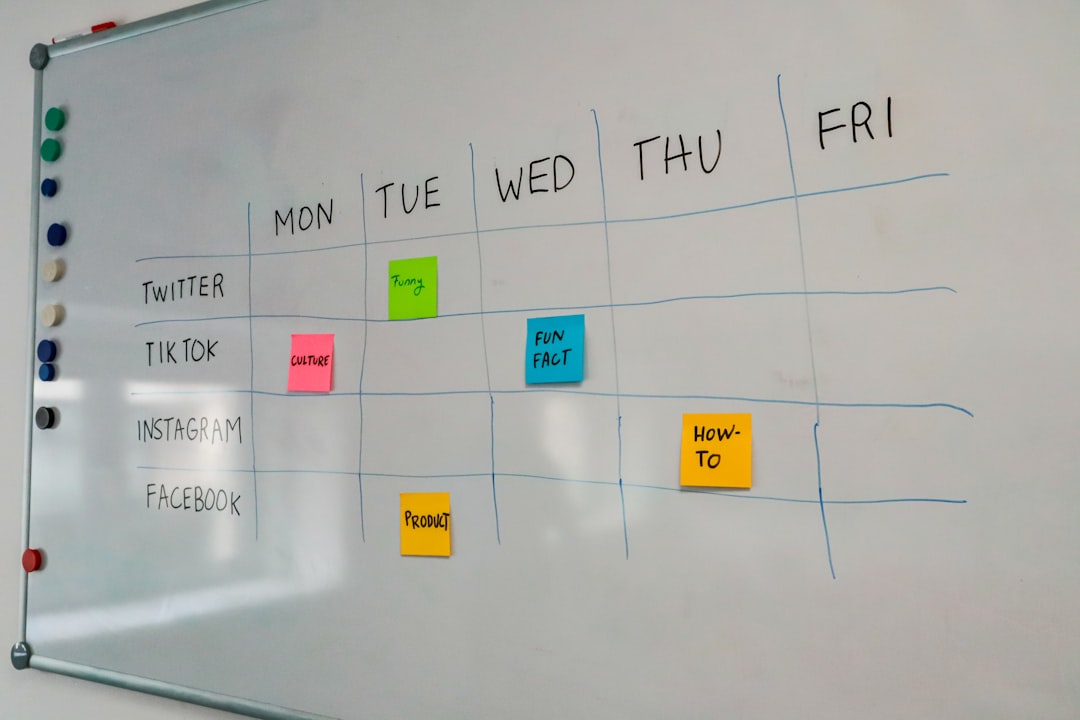
Let's talk about what happens when a growing team applies a prioritization technique. You pick something sensible like the Eisenhower Matrix or MoSCoW. Your team understands it, and for a while, it works. Tasks get categorised, urgent work gets done first, and there's clarity about what matters.
Then something shifts. Your engineering team is prioritising differently than product. Sales closes a deal that changes priorities for three projects simultaneously. Work flows in from multiple sources: customer requests, initiatives, bugs, technical debt. It's no longer clear how these rank. Your technique is sound, but your system breaks down.
The root problem is that task prioritization techniques are frameworks for making decisions. They don't maintain shared agreement on priorities as your organisation grows. A framework can tell you what's urgent and important, but it can't resolve conflicts when two teams have competing high-priority work. It can't prevent someone from getting overloaded with work that looks low-priority in isolation.
This is why teams that outgrow basic prioritisation invest in workflow infrastructure. Not because the technique was wrong, but because technique alone doesn't handle coordination. You need visibility into what everyone is working on, track dependencies between projects, and adjust priorities as context changes.
The Hidden Cost of Manual Prioritization

When prioritisation isn't embedded into your workflow, it lives in email threads, Slack messages, and spreadsheets. Someone spends time each week aggregating status, re-prioritising based on what changed, and communicating decisions back to teams. This is invisible overhead, but it's substantial.
At small scale, this overhead is manageable. A team lead can keep priorities in their head or maintain a simple document. At 15 people across three teams, you're now spending hours every week just maintaining clarity about priorities. Requests fall through the cracks because they got lost in Slack. Teams rework completed tasks because the priority changed after they started.
The cost multiplies further when managing multiple concurrent projects. Marketing needs design resources for campaign assets. Product needs those same designers for the new feature launch. Sales wants a quick client customisation. Without a system that surfaces these conflicts explicitly, you end up resolving them reactively. Whoever shouts loudest or whose deadline is closest wins, not necessarily what's strategically important.
The real cost isn't the hours spent re-prioritising. It's the decisions you get wrong because you didn't have full context. It's the projects that slip because nobody connected the dots between competing priorities. It's the talented people who get frustrated because the work they're doing doesn't feel aligned with what was supposedly important.
Scaling Priorities Across Teams and Projects

Task prioritization techniques work within a single scope: how do I rank my work? But organisations operate across multiple scopes simultaneously. A developer has personal tasks. Their team has sprint priorities. The engineering department has quarterly goals. The company has strategic initiatives. All of this needs to fit together coherently.
One team prioritises aggressively towards a quarterly goal, and their work blocks another team's critical path. Design work for one project gets starved because the same team supports multiple initiatives simultaneously. Someone commits to a deadline without checking whether their dependencies are scheduled.
These aren't failures of technique. The problem is that no single prioritisation framework covers this many nested priorities simultaneously. You need a different approach. One that tracks dependencies, surfaces conflicts, and enables repriorisation across levels of the organisation without requiring a weekly all-hands meeting to resolve.
In practice, this means shifting from "prioritisation as a thinking framework" to "prioritisation as a continuous operational system." You're not just deciding what matters. You're maintaining a live model of what your organisation is working on, how it relates to other work, and whether your current allocation still makes sense given what you've learned.
Building Prioritisation Into Your Workflow
The teams that handle prioritisation well at scale share a common approach. They don't just apply a technique; they embed prioritisation into the way work flows through the organisation.
This typically means establishing clear decision rights. Who decides priority for different categories of work? It means creating feedback loops. How do you surface when something is blocked or deprioritised unfairly? It means treating prioritisation as continuous, not weekly. When new work arrives, you immediately ask: where does this fit? What do we need to deprioritise to make room?
It also means choosing infrastructure that supports this. A basic task list or spreadsheet doesn't give you visibility into the full picture. Specialised project management tools often force you into rigid structures that break down when priorities shift. You need something that combines the flexibility of ad-hoc prioritisation with the structure and visibility needed for coordinated teams.
Some organisations build this custom, creating internal systems tailored to their workflow. This works, but it requires ongoing maintenance and loses flexibility as you grow. Many organisations find it's more efficient to adopt a platform designed as a scalable workflow system rather than a fixed project management tool. This allows prioritisation and repriorisation to be part of your normal operating rhythm instead of something you layer on top.
When Standard Techniques Aren't Enough
This doesn't mean throw away the frameworks. Eisenhower, MoSCoW, RICE, and the others are genuinely useful. They give you language and structure for thinking about importance and urgency. Most organisations benefit from adopting at least one as a shared reference point.
But if you're operating across teams, managing multiple concurrent initiatives, or dealing with dependencies that span departments, the technique alone doesn't solve the real problem. The real problem is maintaining coherent priorities across a complex organisation, updating them as context changes, and preventing priority conflicts from getting resolved through informal power dynamics.
At that point, the work shifts from "which prioritisation technique should we use" to "what infrastructure do we need to make prioritisation work at our scale?" That might mean implementing a project management platform. It might mean adopting a scalable open source alternative to traditional project management tools, which offer the flexibility to evolve your prioritisation approach as your organisation changes rather than forcing you into a rigid structure.
The organisations that handle this best treat task prioritisation techniques as a decision-making framework, not a complete solution. They invest in visibility and want to know how their work connects to and potentially conflicts with others. They design their workflow process to make repriorisation cheap and easy. And they choose tools that support this flexibility rather than enforce a single way of working.
If your team is growing, if you're managing work across departments, or if your chosen prioritisation technique works for individual decisions but doesn't solve your coordination problems, it's time to think about the infrastructure layer. The technique is necessary. But the system is what actually makes it work.
Frequently Asked Questions
Which prioritisation technique should we adopt?
Most frameworks are sound. The choice depends on your context. RICE works well for product teams making strategic trade-offs. Eisenhower works well for individual contributors managing mixed urgency. MoSCoW works well for teams building towards a fixed scope. Start with one, use it for two weeks, then adjust based on what actually worked. What matters more is building the infrastructure around it so prioritisation stays current as business context changes.
How do we know when to invest in a workflow system?
When you're spending more time communicating and re-prioritising than doing the work, it's time. If you have multiple teams with different priorities that need to coordinate, it's time. If your prioritisation technique works in meetings but breaks down when people are actually working, it's time. A good system reduces the operational overhead of maintaining priorities as your context changes.
Can AI help with task prioritisation?
AI can help surface patterns you might miss manually. It can flag tasks likely to be deprioritised, identify non-obvious dependencies, or suggest reallocation when someone is overloaded. It cannot make priority decisions for you. That requires business judgement. What it can do is remove the tedious parts of prioritisation so your team spends time on actual decision-making rather than gathering context. This becomes increasingly valuable as organisations grow and the information needed to prioritise becomes distributed across multiple systems.
Should we build our own prioritisation system or adopt an existing tool?
Building custom gives you complete flexibility but requires ongoing maintenance as your organisation evolves. Most traditional project management tools force you into a specific way of prioritising that may not fit your needs. Look for platforms designed as flexible workflow infrastructure rather than fixed project management tools. You want something that can adapt as your understanding of how to prioritise evolves, not something that locks you into a single way of working.