Chimedeck vs Asana
Moving beyond traditional project management. Choose between atool built for the static 2010s or the world's first AI-Native taskinfrastructure designed for autonomous operations.
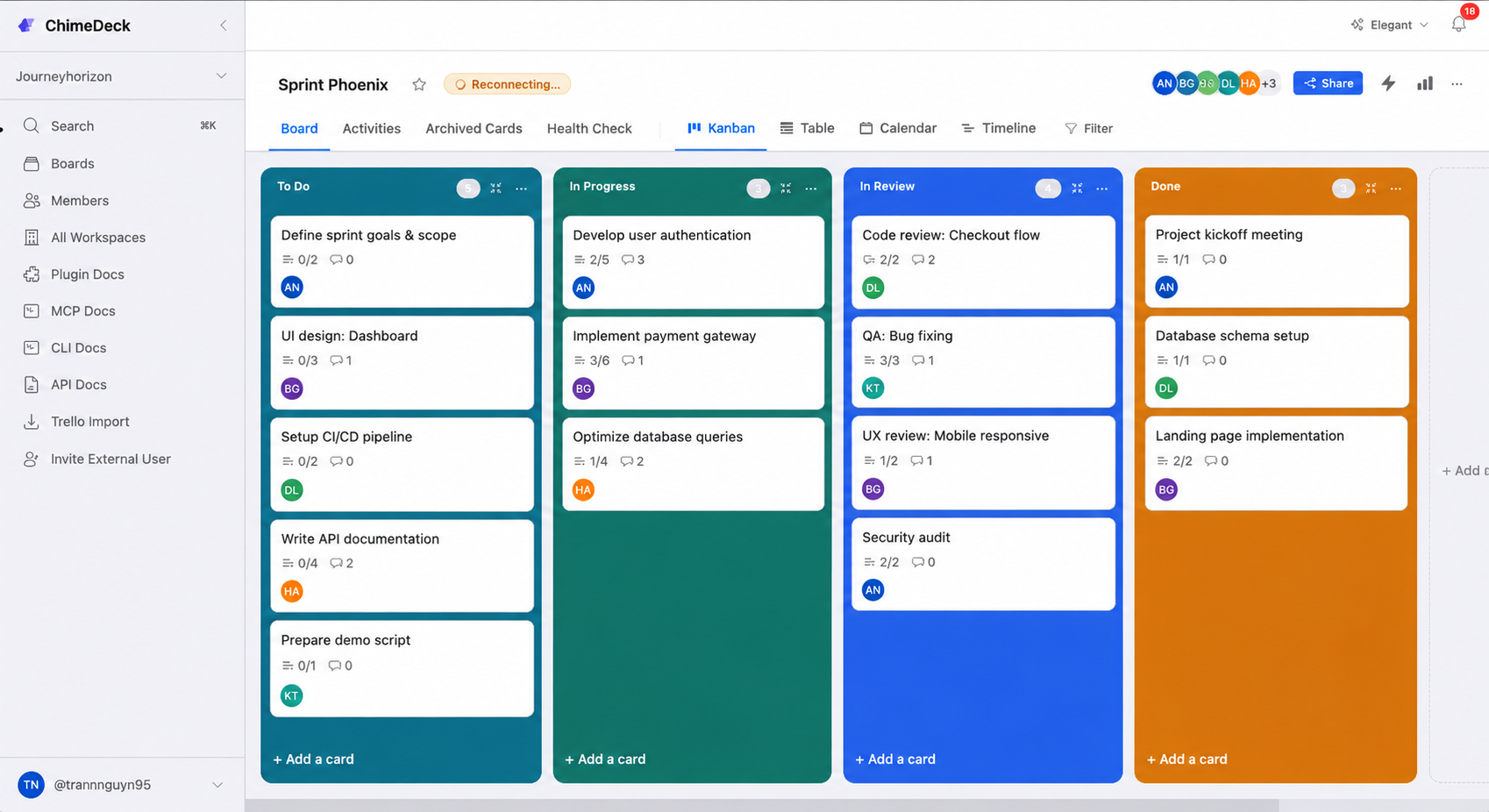
The industry standard for human-to-human coordination.
Asana is a pioneer in the SaaS task management space. It excel atproviding beautiful, templated workflows for marketing and businessoperations teams who live in a browser and need visual statusupdates.
Highly visual project timelines and GANTT charts.
Massive library of pre-built templates for non-technical teams.
Broad adoption across enterprise HR, Marketing, and Sales.
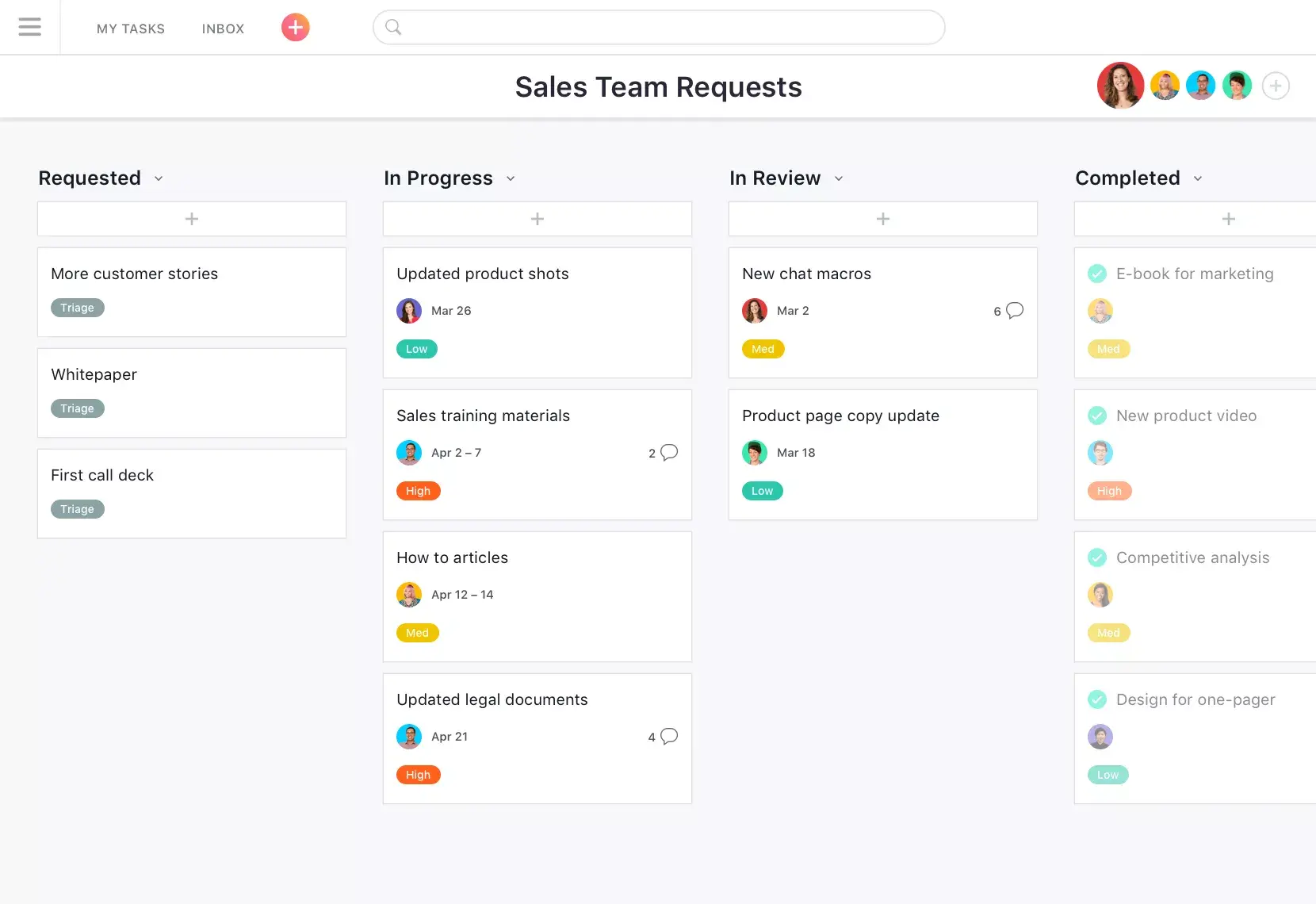
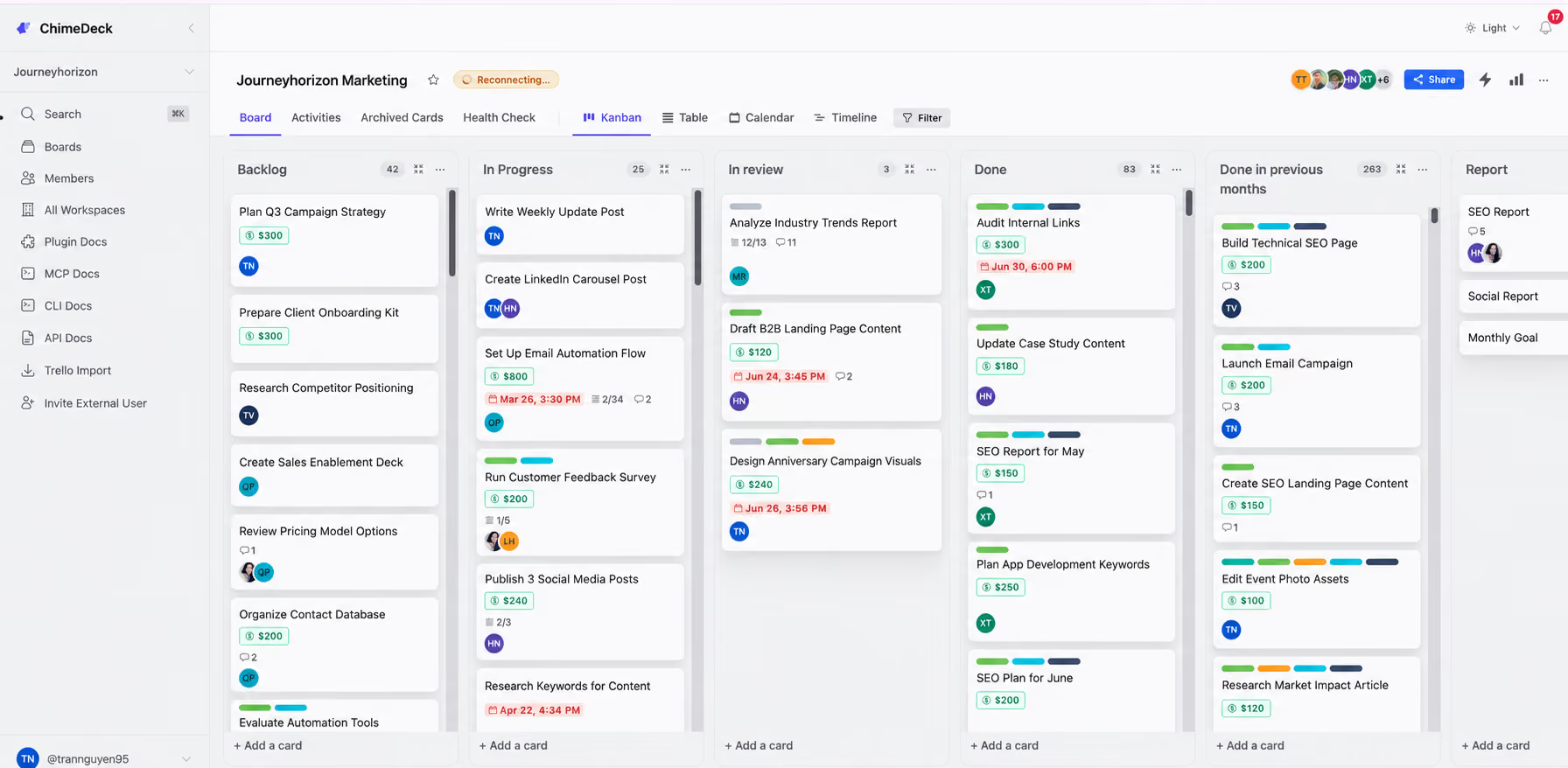
Infrastructure for the next generation of operations.
Chimedeck isn't just a UI; it's a structured data layer for work. Builtwith Model Context Protocol (MCP) at its core, it allows humans andAI agents to read, write, and manage tasks with sub-100ms latency.
Native MCP support for LLM agents (Claude, GPT, etc.).
Developer-first CLI and robust CRUD API.
Unlimited users with fixed infrastructure pricing.
Finding the Right Strategic Fit
Where Asana Works Best
01
Marketing teams needing visual campaign timelines and asset approval workflows.
02
Non-technical departments focused on high-level humanstatus updates.
03
Organizations requiring deep, out-of-the-box libraries for HRand Sales.
Where Chimedeck Works Best
01
Engineering and Product teams building AI-integratedautomated workflows.
02
High-growth startups avoiding the "per-user collaboration tax"as they scale.
03
Security-conscious firms requiring data sovereignty and self-hosted options.
Pricing: Chimedeck vs Asana
The Cost Difference Matters for Scale
Every time you hire someone, your overhead grows. Chimedeck treats task
management as infrastructure.
The Cost Difference Matters for Scale
Built for Humans + AI Agents
Frequently Asked Questions
Yes. Chimedeck is a strong Asana alternative for teams that want open-source task management, self-hosting, native MCP access, developer tools, and pricing that does not increase with every new user. Asana may be more suitable for organizations that prioritize mature reporting, portfolio management, approval workflows, and a large library of ready-made templates.
The main difference is how the two platforms are designed. Asana is a proprietary SaaS work management platform primarily built around human collaboration through its interface. Chimedeck is an open-source task management platform built for both teams and AI agents, with API, CLI, and Model Context Protocol access included.
Chimedeck can be more cost-effective for growing teams because it does not charge per user. Its managed plans are priced according to infrastructure and usage, while Asana’s paid plans are generally priced per user per month. The cost difference becomes more significant as more employees, contractors, and collaborators join the workspace.
No. Chimedeck does not use per-seat pricing. Teams can invite unlimited members and guests without paying an additional fee for each person. Managed hosting costs are based on infrastructure rather than team headcount.
Yes. Chimedeck is open-source and can be deployed on your own infrastructure. Self-hosting gives your organization greater control over data storage, security policies, system configuration, integrations, and future customization.
No. Asana is proprietary cloud software and does not provide an open-source, self-hosted edition. Organizations that require control over their deployment environment or source code may find Chimedeck more suitable.
Yes. Chimedeck is designed for humans and AI agents to work within the same task management environment. Through MCP, API, and CLI access, authorized agents can search tasks, create cards, update descriptions, move work between lists, assign users, add comments, set due dates, and perform other task operations.
Chimedeck provides native Model Context Protocol support as a core part of its AI-agent workflow. Asana offers APIs, integrations, automation features, and its own AI capabilities, but teams should evaluate whether these provide the same direct MCP-based access required by their agents and development environment.
Yes. An MCP-compatible AI assistant can connect to Chimedeck and perform permitted task-management actions. For example, an agent may research an issue, create a task, update its status, add findings as a comment, or move the task into a human approval stage.
No. Chimedeck can support product, operations, marketing, agency, startup, and cross-functional workflows. However, it is especially relevant for technical teams that need programmable task management, AI-agent access, deployment flexibility, or deeper control over their work infrastructure.
Asana may be preferable for marketing departments that need advanced campaign timelines, approvals, proofing, portfolio reporting, forms, and established templates. Chimedeck may be a better fit for marketing teams that want a simpler open-source workspace, unlimited collaboration, custom automation, or AI agents that can create and update work directly.
Chimedeck is generally better aligned with engineering and AI teams that want MCP connectivity, a developer CLI, API-first workflows, self-hosting, and AI agents that can directly interact with task data. Asana may suit engineering organizations that mainly need conventional project planning and cross-department reporting.
Yes. Chimedeck offers a free cloud-hosted Personal plan with one workspace, one board, up to 10 columns, up to 500 cards, and unlimited invited members and guests. API, MCP, and CLI access for AI agents are also included.
Yes. Asana offers a free Personal plan for up to two users. It includes unlimited tasks and projects, list, board, and calendar views, file storage, status updates, and access to supported integrations.
Yes, although the migration approach depends on the amount and structure of your Asana data. Teams should first map projects, sections, tasks, assignees, due dates, custom fields, comments, and attachments to the corresponding Chimedeck structure. Larger or more complex migrations may require a custom import process.
Not necessarily. Asana currently provides mature capabilities such as portfolios, goals, workload management, proofing, branching forms, dashboards, and extensive enterprise integrations. Chimedeck focuses more strongly on open-source deployment, predictable infrastructure pricing, task-level collaboration, developer access, and coordination between humans and AI agents.
Chimedeck is a strong fit for teams that:Want to avoid per-user pricingNeed self-hosting or greater data controlWant an open-source task management platformUse AI agents in operational workflowsNeed MCP, API, or CLI accessWant to customize their work management infrastructure
Asana may remain the better choice for organizations that depend heavily on its existing templates, advanced reporting, portfolios, goals, workload planning, creative proofing, or enterprise integration ecosystem and do not require self-hosting or native MCP-based agent access.